1. Evaluate Their Talent Pool
The quality of a dubbing project starts with the voice actors. A professional studio should offer a diverse range of native speakers who understand the cultural context of the target language. Listen to their voice reels to ensure they can deliver the specific tone—whether it’s high-energy for animation or authoritative for a corporate documentary.
2. Technical Infrastructure and Sound Quality
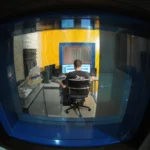
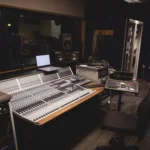
Dubbing requires precision. Check if the studio uses industry-standard equipment and soundproof booths. The final output must be seamless, with perfectly synchronized audio (Lip-sync) and a mix that balances the dialogue with background music and effects (M&E tracks).
3. Linguistic and Cultural Accuracy
Direct translation often fails in dubbing. The studio must have skilled script adapters who can modify the dialogue so it fits the character’s lip movements while remaining culturally relevant to the local audience. This process, known as localization, ensures the content feels natural, not “translated.”
4. Review Their Portfolio and Expertise
Experience matters. Look for a studio that has worked on projects similar to yours. If you are producing a feature film, a studio that only handles 30-second commercials might not have the workflow required for long-form content. Ask for case studies or client testimonials.