
Industry and events · 1 min read
The shift towards vertical drama in MENA
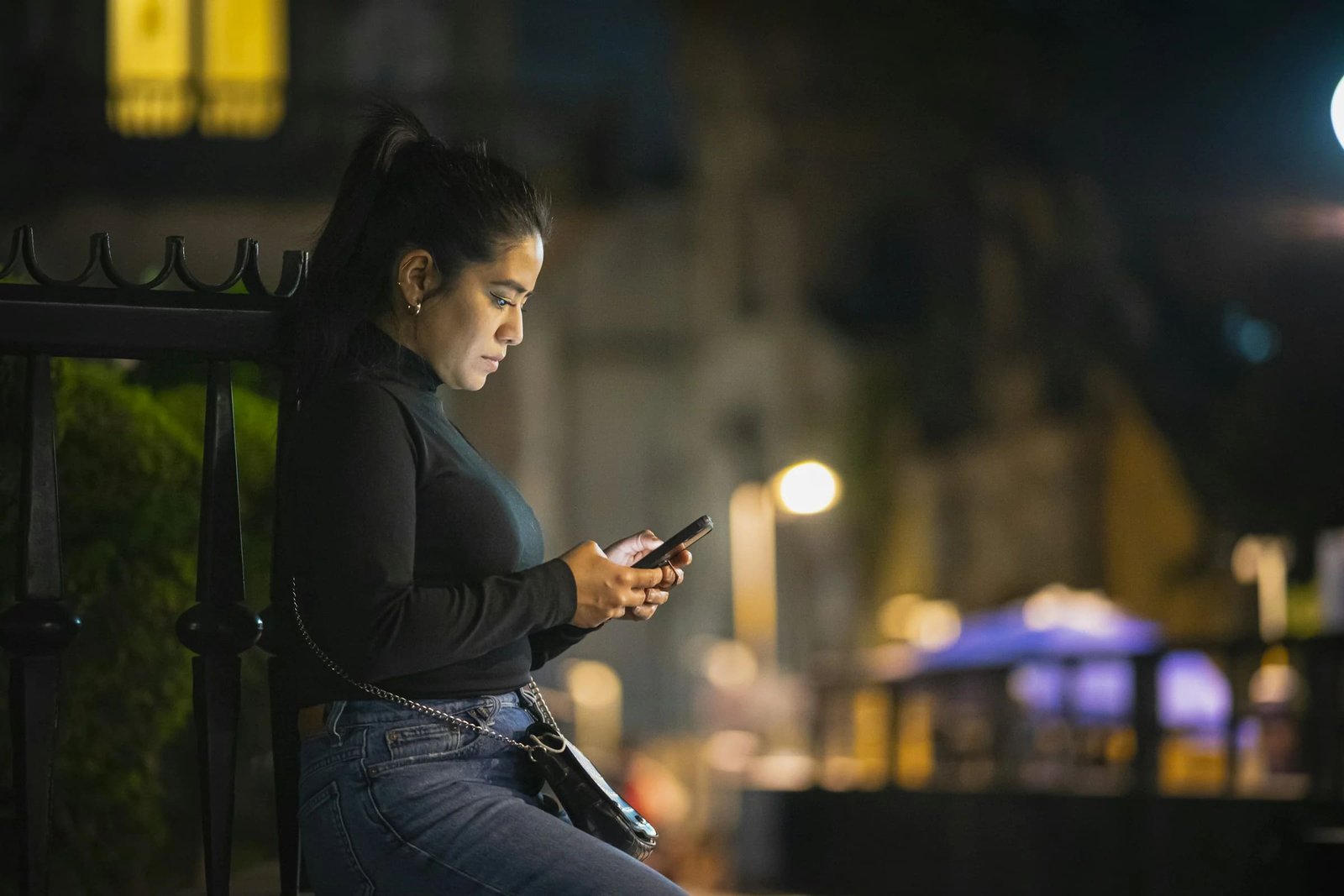
Short-form vertical dramas are booming across the MENA region, and the reasons behind the boom matter for producers and for localisation.
Phones first
The MENA region has some of the highest smartphone usage rates in the world, and audiences are moving from the TV to their phones. Vertical drama is made for watching on the go: viewers can follow a premium series without turning their phone sideways.
Short episodes
Viewers’ attention spans are getting shorter, and vertical dramas usually come in episodes of one to three minutes. That fits a daily commute or a short break. The stories move fast, and the cliffhangers keep viewers hooked.
Efficient production
A traditional TV series needs large sets and long production cycles. Vertical dramas can be made more efficiently without losing quality: productions use high-end cameras and professional dubbing to keep a cinematic look in the vertical frame.
Localising vertical hits
Many international vertical dramas, often from East Asia, are being localised for Arabic-speaking audiences. With professional Arabic dubbing and cultural adaptation they feel homegrown, and that is making them viral hits on Reels, TikTok and dedicated drama apps.
Planning to bring a title to Arabic-speaking audiences? Explore our services or request a quote. We reply within 24 hours.